


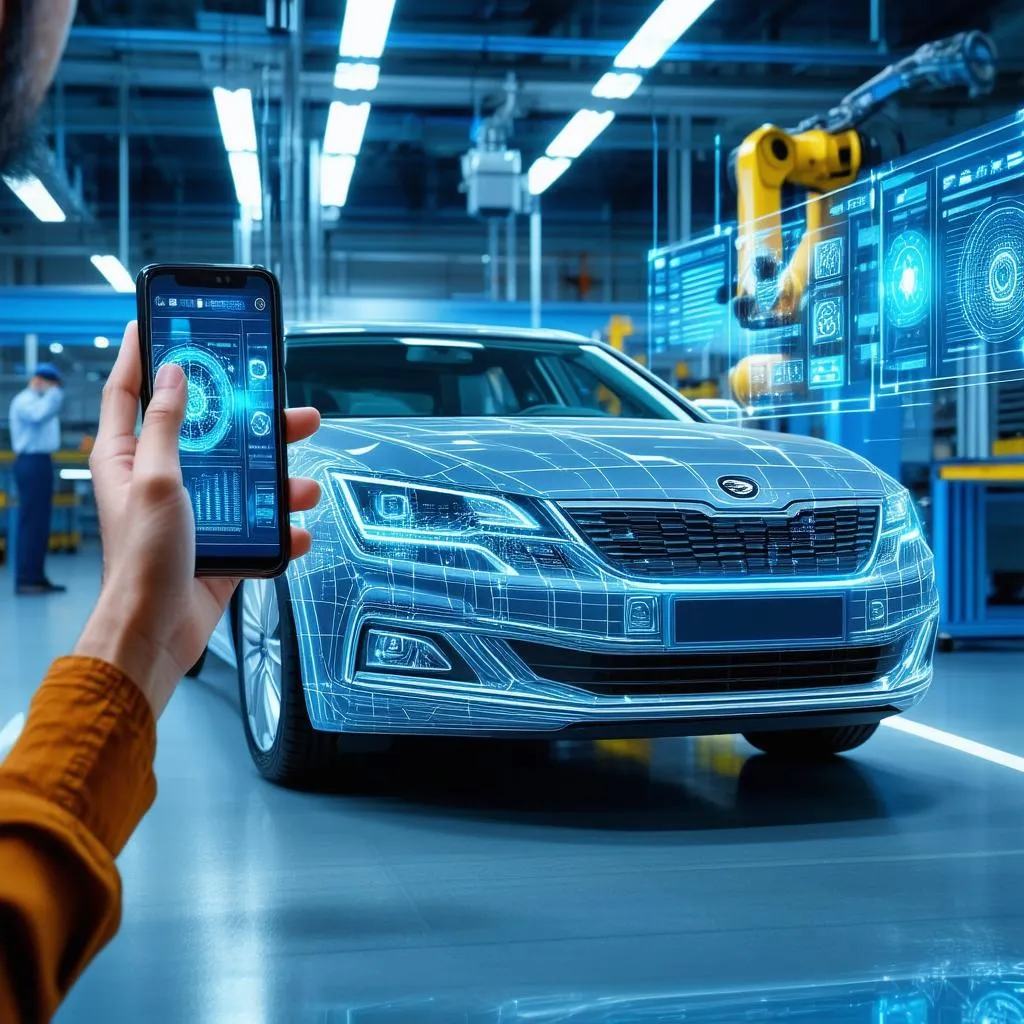
AI diagnostics for vehicles are rapidly changing how drivers, mechanics, and manufacturers understand what is happening under the hood. Instead of relying solely on warning lights or manual inspections, vehicles today can analyze their own health, predict failures, and recommend solutions with remarkable accuracy.
Cars have evolved into complex machines packed with sensors, software, and connected systems. As complexity increased, traditional diagnostic methods struggled to keep up. Artificial intelligence stepped in to bridge that gap, offering clarity, speed, and confidence in vehicle maintenance decisions.
The Evolution of Vehicle Diagnostics
In the past, diagnosing a vehicle problem often meant listening for strange noises, scanning basic error codes, or relying heavily on technician experience. While effective to a point, this process could be slow and sometimes inaccurate.
Modern vehicles generate enormous amounts of data every second. Engine performance, transmission behavior, braking efficiency, battery health, and emissions are constantly monitored. Interpreting this data manually is nearly impossible.
This is where AI diagnostics for vehicles emerged, turning raw data into actionable insights and reshaping the entire maintenance ecosystem.
What AI Diagnostics Actually Mean in Automotive Terms
Artificial intelligence in vehicle diagnostics refers to systems that analyze data patterns to identify faults, predict component failures, and recommend corrective actions. These systems learn over time, improving accuracy as more data becomes available.
Unlike static diagnostic tools, AI models adapt to different driving styles, environments, and vehicle conditions. They recognize subtle changes that might indicate future problems long before symptoms become obvious.
This predictive capability is what sets AI-based diagnostics apart from traditional scan tools.
How Data Powers Intelligent Vehicle Health Monitoring
Every modern car is a moving data center. Sensors track temperature, pressure, vibration, voltage, and dozens of other parameters. Telematics systems transmit this data for analysis.
AI processes this information in real time, comparing current readings with historical patterns and known fault signatures. When anomalies appear, the system flags them instantly.
Through AI diagnostics for vehicles, issues such as misfires, sensor degradation, or battery inefficiencies can be detected earlier than ever before.
Predictive Maintenance and Cost Savings
One of the biggest advantages of AI-driven diagnostics is predictive maintenance. Instead of waiting for parts to fail, systems anticipate wear and schedule repairs proactively.
For drivers, this means fewer breakdowns and lower repair costs. For fleet operators, it translates into reduced downtime and better asset management.
Predictive insights also allow workshops to prepare parts in advance, improving efficiency and customer satisfaction.
Real-Life Example From Everyday Driving
Imagine a commuter driving the same route daily. Over time, the AI system notices a slight increase in engine vibration combined with fuel efficiency drops.
Individually, these signals might seem harmless. Together, they indicate early-stage injector wear. The system alerts the driver before a serious failure occurs.
This real-world scenario demonstrates how AI diagnostics for vehicles turn invisible patterns into meaningful warnings that protect both vehicle and driver.
Enhancing Safety Through Intelligent Diagnostics
Vehicle safety depends heavily on system reliability. Brakes, steering, suspension, and electronic stability systems must function flawlessly.
AI diagnostics continuously monitor these safety-critical components. When performance deviates from safe thresholds, alerts are generated immediately.
This proactive approach reduces accident risk by ensuring that small issues are addressed before they escalate into dangerous failures.
Supporting Mechanics With Smarter Insights
AI diagnostics do not replace mechanics. Instead, they enhance their capabilities. By narrowing down probable causes, AI reduces guesswork and diagnostic time.
Technicians receive clearer explanations of issues, supported by data-driven evidence. This improves repair accuracy and builds trust with customers.
From an EEAT perspective, combining human expertise with AI tools strengthens authority and reliability across the service chain.
The Role of Machine Learning in Automotive Diagnostics
Machine learning models form the backbone of AI diagnostic systems. These models are trained on vast datasets that include normal operating behavior and known faults.
As vehicles operate, models refine themselves based on real-world usage. This continuous learning process improves prediction accuracy over time.
The result is a diagnostic system that evolves alongside the vehicle rather than becoming outdated.
Connected Cars and Remote Diagnostics
Connectivity has amplified the power of AI diagnostics. Vehicles can now transmit health data to manufacturers or service providers remotely.
Drivers receive notifications on their smartphones, while workshops access diagnostic reports before the car arrives. This seamless flow of information improves planning and reduces waiting times.
Connected ecosystems make AI diagnostics for vehicles more accessible and practical for everyday use.
Electric Vehicles and AI Diagnostics
Electric vehicles present new diagnostic challenges. Battery health, thermal management, and power electronics require specialized monitoring.
AI excels in this environment by tracking battery degradation patterns and optimizing charging behavior. Predictive alerts help extend battery life and prevent sudden range loss.
As EV adoption grows, AI-driven diagnostics become essential for maintaining reliability and consumer confidence.
Reducing Environmental Impact
Efficient diagnostics contribute to environmental sustainability. Early detection of engine inefficiencies reduces emissions and improves fuel economy.
By preventing major failures, AI systems also reduce waste associated with part replacements. Vehicles remain operational longer, lowering their overall environmental footprint.
This aligns technological innovation with responsible automotive practices.
Building Trust With Transparent Diagnostics
Trust is critical when technology influences maintenance decisions. Drivers need to understand why a repair is recommended.
Modern diagnostic platforms present findings in clear, user-friendly language. Visual data and explanations help drivers make informed choices.
Transparency strengthens trust in AI diagnostics for vehicles, reinforcing their long-term adoption.
Challenges and Limitations
Despite their advantages, AI diagnostic systems face challenges. Data quality, cybersecurity, and integration across different vehicle brands remain ongoing concerns.
Algorithms must be carefully validated to avoid false positives or missed faults. Human oversight remains essential to interpret results responsibly.
Acknowledging these limitations reinforces credibility and ensures balanced implementation.
Automotive Industry Adoption Trends
Manufacturers increasingly integrate AI diagnostics during vehicle design. OEMs use diagnostic data to improve reliability and refine future models.
Aftermarket providers also adopt AI tools to remain competitive. This widespread adoption signals a permanent shift rather than a temporary trend.
The industry recognizes that intelligent diagnostics are foundational to modern mobility.
The Driver Experience in an AI-Powered World
For drivers, the experience becomes more intuitive. Vehicles communicate clearly about their needs, reducing uncertainty and anxiety.
Maintenance shifts from reactive to proactive. Drivers feel more in control and confident about their vehicle’s condition.
This improved experience is one of the most compelling benefits of AI diagnostics for vehicles.
Looking Ahead at Diagnostic Innovation
Future developments may include deeper integration with autonomous driving systems. AI diagnostics will ensure that self-driving components remain reliable and safe.
Advances in sensor technology and edge computing will further enhance real-time analysis. Diagnostics will become faster, smarter, and more personalized.
These innovations promise a future where vehicle maintenance is seamless, predictive, and largely stress-free.
Why AI Diagnostics Are Becoming Essential
Automotive technology is advancing rapidly. Without intelligent diagnostics, maintaining modern vehicles would become increasingly complex and costly.
AI provides clarity in this complexity. It supports drivers, empowers technicians, and improves overall vehicle reliability.
By combining data intelligence with human expertise, AI diagnostics for vehicles have become a cornerstone of modern automotive care, shaping how we maintain, trust, and interact with the machines that move us every day.
Read also: