


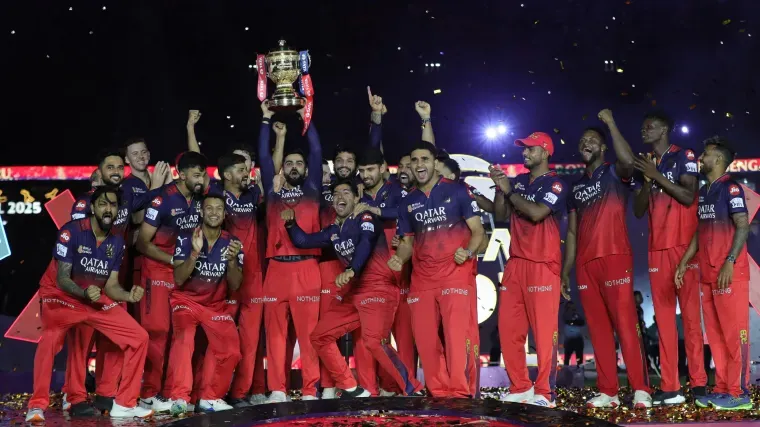
Franchise cricket league comparison has become one of the hottest discussions in modern cricket as T20 tournaments reshape the sport’s global landscape. From packed stadiums in India to vibrant crowds in Australia and the Caribbean, franchise leagues now influence player careers, national calendars, and even the financial future of cricket boards.
In the past, international cricket was the ultimate dream. Today, domestic franchise tournaments command equal excitement. Players carefully plan their schedules around these leagues, and fans passionately debate which competition stands tallest.
This in-depth franchise cricket league comparison explores structure, financial power, talent development, global reach, broadcasting value, and competitive balance. The goal is simple: provide a clear, experience-driven analysis that reflects real cricket knowledge, industry credibility, and practical insights for readers who want more than surface-level commentary.
The Rise of Franchise Cricket
The launch of the Indian Premier League in 2008 changed cricket forever. It introduced city-based teams, player auctions, cheer squads, entertainment-driven marketing, and massive broadcasting deals.
Soon after, tournaments like the Big Bash League and Caribbean Premier League followed similar models. The blueprint was clear: short-format cricket, prime-time scheduling, and commercial branding.
This shift created a competitive ecosystem where leagues now compete not only for viewership but also for top international players.
A serious franchise cricket league comparison must therefore examine not just popularity but sustainability, governance, and cricketing standards.
Franchise Cricket League Comparison: Structure and Format
One of the biggest differences in any franchise cricket league comparison lies in format design.
The IPL operates with a double round-robin system followed by playoffs, ensuring each team gets enough exposure and fan engagement. The BBL uses a slightly longer league phase, while the Pakistan Super League opts for a compact schedule to manage international calendars.
Meanwhile, leagues like the SA20 emphasize strong franchise backing with strategic global partnerships.
Scheduling plays a huge role. A tournament placed in a window free of international clashes attracts stronger squads. This directly impacts competitiveness and global ratings.
When conducting a franchise cricket league comparison, structure is not just about matches played; it is about ensuring competitive integrity and entertainment balance.
Financial Muscle and Player Salaries
Money drives franchise cricket.
The IPL remains financially dominant, with broadcasting deals crossing billions of dollars. This allows franchises to sign top players at premium prices. Elite cricketers often prioritize IPL contracts due to unmatched earnings.
In comparison, leagues like the BBL operate under salary caps, ensuring financial sustainability but limiting superstar concentration. The Caribbean Premier League offers competitive packages, yet cannot match IPL’s scale.
This financial disparity influences global migration patterns. A player from England, Australia, or South Africa may plan workload around high-paying leagues.
From an economic perspective, any detailed franchise cricket league comparison must consider central revenue distribution, sponsorship portfolios, and franchise ownership models.
Talent Development and Domestic Growth
Beyond entertainment, franchise leagues have reshaped talent pipelines.
The IPL helped uncover players like Jasprit Bumrah, who transitioned from a franchise discovery to an international star. Similarly, the BBL nurtured domestic Australian talent, providing televised exposure before national selection.
The PSL played a significant role in identifying emerging Pakistani pacers, while SA20 aims to revive South African cricket finances through private investment.
A meaningful franchise cricket league comparison looks at how effectively each tournament balances international stars with local prospects. Too many overseas players can stunt domestic growth. Too few can reduce global appeal.
The strongest leagues strike equilibrium.
Global Reach and Broadcasting Influence
Modern cricket consumption is digital.
Streaming platforms, social media reels, and multi-language commentary feeds extend league reach beyond home nations. The IPL enjoys massive global audiences across Asia, the Middle East, and the UK.
The BBL markets itself as family-friendly prime-time cricket, gaining steady Australian viewership. The CPL leverages Caribbean culture and music to create a festival atmosphere that attracts international fans.
Broadcast rights valuation often reflects global brand strength. A comprehensive franchise cricket league comparison must analyze TV deals, streaming rights, and digital engagement metrics.
The more diversified the audience, the stronger the league’s commercial backbone.
Franchise Cricket League Comparison in Competitive Balance
Not every league maintains equal competitiveness.
The IPL sees frequent playoff turnover, though powerhouse teams occasionally dominate. The BBL historically experienced phases where certain franchises controlled standings.
The PSL, despite fewer teams, often produces tightly contested seasons. This unpredictability keeps fan interest high.
Competitive balance depends on auction systems, salary caps, and draft models. Draft-based systems like the BBL create more even distribution, while auction models can concentrate talent.
A detailed franchise cricket league comparison shows that parity directly influences fan loyalty and television ratings.
Player Workload and International Conflict
Franchise cricket’s growth has created scheduling tension with international cricket boards.
England and Australia sometimes restrict player participation to manage national commitments. Meanwhile, smaller boards rely heavily on franchise contracts to retain player income.
This dynamic reshapes loyalty debates. Should a player prioritize country or franchise?
In modern cricket economics, the answer often depends on financial security and workload management.
A responsible franchise cricket league comparison must examine how each tournament coordinates with international calendars to avoid burnout.
Fan Engagement and Stadium Experience
Live atmosphere remains crucial.
The IPL thrives on packed stadiums like Narendra Modi Stadium and Wankhede. The BBL promotes family ticketing packages, while the CPL emphasizes carnival-style entertainment.
Fan loyalty in franchise leagues differs from traditional regional cricket. It is driven by branding, social media storytelling, and celebrity endorsements.
Merchandise sales, fantasy cricket integration, and interactive campaigns all enhance league identity.
In evaluating franchise cricket league comparison, fan culture becomes a decisive factor.
Ownership Models and Governance
Ownership transparency determines long-term stability.
The IPL features corporate giants and Bollywood celebrities as stakeholders. The PSL franchises operate under central board oversight with defined financial structures.
The Hundred, organized by the England and Wales Cricket Board, introduced a unique 100-ball format to diversify audience interest.
Governance models influence player payments, revenue sharing, and dispute resolution. Poor financial management can destabilize teams and reduce credibility.
A reliable franchise cricket league comparison always studies administrative integrity alongside on-field action.
Emerging Markets and Expansion
New leagues are emerging rapidly.
The United States launched Major League Cricket to tap into diaspora audiences. UAE-based tournaments are experimenting with global player pools.
Expansion brings opportunity but also saturation risk. Too many overlapping tournaments dilute talent quality.
Market sustainability depends on audience loyalty, domestic cricket structure, and corporate investment.
In any franchise cricket league comparison, long-term survival potential is more important than short-term hype.
Statistical Standards and Match Quality
High scores excite crowds, but balanced contests sustain respect.
Some leagues favor batting-friendly pitches to maximize entertainment. Others attempt more balanced surfaces to test bowlers.
Strike rates, average totals, and bowling economy figures reveal match quality trends.
A technical franchise cricket league comparison examines statistical competitiveness rather than relying solely on social media buzz.
Cricket analysts increasingly rely on advanced metrics, including phase-wise scoring patterns and player impact indexes.
The Commercial Ecosystem Behind Leagues
Franchise cricket is not just sport; it is an industry.
Brand partnerships, digital sponsorships, betting markets in regulated countries, and merchandise licensing all contribute to revenue streams.
The IPL’s central revenue distribution ensures financial strength even for underperforming teams. Other leagues are still developing similar systems.
Economic diversification protects leagues from broadcast dependency.
A mature franchise cricket league comparison recognizes the ecosystem beyond the boundary ropes.
Cultural Identity and Global Appeal
Each league carries cultural uniqueness.
The IPL blends Bollywood glamour with cricket intensity. The BBL emphasizes Australian summer traditions. The CPL celebrates Caribbean rhythm and music.
Cultural positioning strengthens brand recall.
Franchise tournaments are no longer just competitions; they are entertainment products designed for modern consumption habits.
Understanding this cultural layer enhances any franchise cricket league comparison.
The Future Direction of Franchise Cricket
Private investment continues to expand across continents.
Franchises now own sister teams in multiple leagues, creating cross-border cricketing networks. This model may redefine player transfers and scouting systems.
Technology integration, AI-driven analytics, and immersive viewing experiences are shaping the next evolution.
A forward-looking franchise cricket league comparison must anticipate innovation trends, not just analyze past seasons.
Why Franchise Cricket League Comparison Matters for Fans and Analysts
Fans debate league superiority passionately. Analysts evaluate financial sustainability and player impact.
For aspiring cricketers, choosing the right league exposure can influence career trajectory. For sponsors, league brand value determines marketing returns.
Understanding franchise cricket league comparison helps stakeholders make informed decisions.
The sport’s future depends on balancing commercialization with competitive integrity.
As franchise tournaments continue expanding globally, comparisons will grow more nuanced, data-driven, and strategic.
Cricket is evolving, and franchise leagues are at the center of this transformation.
Read also:
desert vipers vs sharjah warriors players
australian men’s cricket team vs south africa national cricket team match scorecard
sunrisers hyderabad vs delhi capitals match scorecard
mi emirates vs dubai capitals match scorecard
mi emirates vs sharjah warriors
australian men’s cricket team vs west indies cricket team match scorecard