


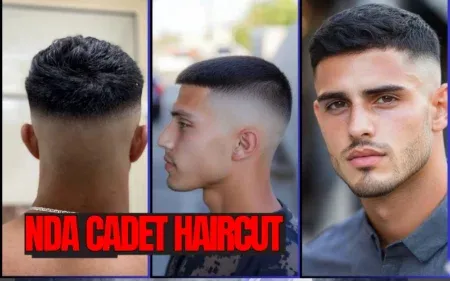
A good hairstyle should work beyond the first mirror check. On hairstylespark.com, readers can explore hair ideas while considering how different choices behave in ordinary situations. Haircuts are not only about appearance because washing, drying, sleeping, weather, work, and growth all change the final experience. Sometimes a simple change in shape can make daily hair care easier without requiring a dramatic transformation.
Choosing A Useful Hair Part
The way hair is parted can change the balance of an entire hairstyle. A center part can create a neat, even appearance, while a side part can add movement and make one side look fuller. Natural hair growth patterns also matter because some parts return to their usual position after washing. Cowlicks near the front or crown may make certain parting choices harder to maintain every morning. There is no need to force a part that constantly fights the natural direction of the hair. Trying several positions before making a permanent cut can show which option feels easiest.
Short Styles Need Planning
Short hairstyles can look simple, but small changes become noticeable as hair grows. A close cut may require frequent trimming if the original shape needs to remain sharp. Slightly longer short styles can offer more flexibility because the growing length may still look balanced. Hair density also affects the result because thick hair can expand differently from fine hair after cutting. Anyone considering a short style should think about maintenance appointments and normal growth before choosing the final length. A stylist can also explain how the cut may change after several weeks.
Medium Hair Gives Flexibility
Medium-length hair often provides a useful middle ground for people who want several styling possibilities. There can be enough length for tying hair back while still keeping washing and drying reasonably manageable. Layers, waves, soft ends, and different parting choices can create noticeably different appearances without changing the overall length dramatically. Medium hair can also be easier to adjust gradually because small trims do not remove the main styling options. This length may suit people who are unsure about going very short or growing their hair considerably longer.
Long Hair Needs Organization
Long hair can provide many styling choices, although extra length usually brings additional care requirements. Detangling may take longer, especially when the hair is thick, curly, or easily knotted during sleep. Ends can also become dry or damaged over time because they have been exposed to daily brushing, washing, and environmental conditions. Regular trimming can help maintain the shape without requiring a major reduction in length. Simple habits such as gentle detangling and avoiding unnecessary pulling can make longer hair easier to manage. The best routine depends heavily on texture and individual hair condition.
Texture Changes The Final Shape
Two people can request the same haircut and still receive noticeably different results because their hair behaves differently. Straight strands often display the exact outline of a cut, while waves can create extra movement around layered areas. Curly hair may appear shorter when dry because curls contract into their natural pattern. Coily textures can have their own density, shrinkage, and styling requirements that should be considered before cutting. A reference photograph becomes more useful when the person’s texture resembles the example. Hair texture does not limit creativity, but it changes how a chosen design should be approached.
Hair Density Affects Volume
Hair density describes how much hair grows across a particular area, and it can influence how a hairstyle appears from different angles. Thick density may create fullness even with a simple cut, while lower density can make certain heavy styles appear flatter. Styling techniques can change visible volume, but the underlying density remains an important factor. Layer placement can also create different effects depending on how much hair is present. Someone choosing a hairstyle should therefore consider both strand texture and overall density. Looking only at whether hair is straight, wavy, or curly does not provide the complete picture.
Maintenance Should Feel Realistic
A hairstyle becomes difficult when its maintenance requirements do not match the person’s normal routine. Some cuts need daily heat styling, careful product application, or frequent trimming to maintain their intended appearance. Others are designed to keep a relaxed shape with very little preparation. Neither approach is automatically better because people have different schedules and preferences. Before choosing a style, it helps to consider how much time is realistically available on busy mornings. A hairstyle that remains acceptable without perfect styling can be much more convenient during ordinary weeks.
Weather Can Change Hair
Humidity, heat, cold air, and rain can all influence how hair looks after styling. Humid conditions may increase frizz or make waves and curls become more pronounced, while dry conditions can leave some hair feeling rougher. Rain can also undo carefully arranged shapes within a short period. People living in changing climates may therefore benefit from styles that remain reasonably attractive when conditions are less than perfect. Hair products can help in some situations, but relying on heavy styling every day may not suit everyone. A practical haircut should still work when the weather refuses to cooperate.
Sleep Can Affect Hairstyles
Hair can look noticeably different after several hours of sleeping, particularly when it has been styled carefully before bed. Movement against a pillow can flatten some sections, create tangles, or change the direction of shorter pieces. Long hair may become easier to manage when loosely secured in a comfortable arrangement that avoids excessive pulling. People with textured hair may use different nighttime routines depending on their preferred shape and level of definition. There is no single method that works for every texture. The useful point is remembering that a hairstyle needs to survive normal daily habits, including sleep.
Growing Hair Takes Patience
Changing from one length to another rarely happens as quickly as people imagine. Hair growth is gradual, and the shape can pass through awkward stages while different sections reach new lengths. Regular small trims can sometimes keep the overall appearance more controlled during this period. However, trimming too much can make it difficult to reach a longer goal. Taking photographs at intervals can help someone notice progress that is hard to see from day to day. Patience becomes especially important when the desired style requires several months of additional growth.
Conclusion
Good hairstyle choices come from understanding how hair behaves during ordinary life rather than judging one finished photograph alone. Texture, density, length, parting, weather, sleeping habits, maintenance time, and growth patterns can all influence the final result. Readers exploring hairstylespark.com can use different style ideas as inspiration while keeping their own hair characteristics and routine in mind. The most practical choice is often the one that still looks manageable on an ordinary morning without requiring perfect conditions or constant attention. A little planning before a haircut can make the finished style easier to enjoy for much longer.
Read also :-