


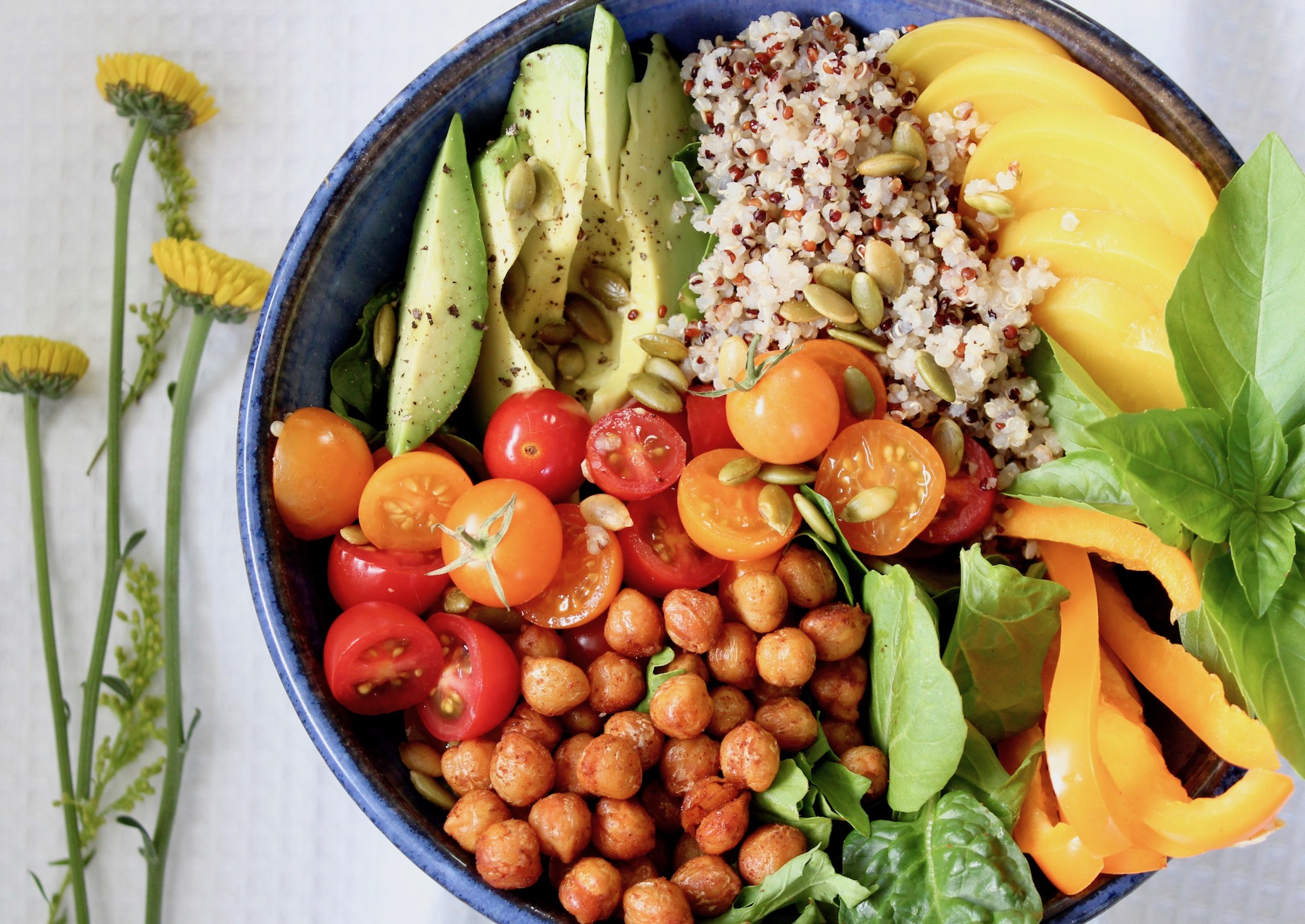
Vegan Buddha Bowl is a vibrant, nutritious, and visually appealing meal that combines fresh vegetables, whole grains, legumes, and flavorful dressings into a single bowl. This versatile dish has gained worldwide popularity for its balance of taste, nutrition, and presentation. Each Vegan Buddha Bowl can be customized based on seasonal ingredients, dietary preferences, and personal flavor profiles, making it perfect for both everyday meals and special occasions.
Originating from the concept of balanced meals in Asian cuisine, Vegan Buddha Bowl focuses on including a variety of colors, textures, and flavors in one bowl. The “Buddha Bowl” concept is meant to symbolize a well-rounded, wholesome meal that nurtures the body and mind.
Ingredients for a Classic Vegan Buddha Bowl
The foundation of a Vegan Buddha Bowl includes a base of whole grains, such as quinoa, brown rice, or millet. On top, a combination of roasted or steamed vegetables like sweet potatoes, broccoli, carrots, and bell peppers creates a vibrant and nutritious layer. Protein sources like chickpeas, tofu, or tempeh add substance, while a light dressing brings all the elements together.
For added texture and flavor, include seeds, nuts, or sprouts. Fresh herbs such as parsley, cilantro, or basil provide a refreshing aroma, while spices like paprika, cumin, or turmeric enhance the overall taste.
Step-by-Step Vegan Buddha Bowl Full Recipe
Start by cooking your choice of grains according to package instructions. While the grains are cooking, prepare the vegetables. Roast sweet potatoes, broccoli, and bell peppers in the oven with olive oil, salt, and pepper for 20–25 minutes until tender and slightly caramelized.
Meanwhile, pan-fry or bake tofu cubes seasoned with soy sauce, garlic, and a touch of smoked paprika. For a creamy dressing, blend tahini with lemon juice, garlic, water, and a pinch of salt until smooth. Assemble the bowl by layering the cooked grains at the bottom, followed by roasted vegetables, tofu, and a generous drizzle of the tahini dressing. Garnish with seeds, nuts, and fresh herbs.
Nutritional Benefits of a Vegan Buddha Bowl
A well-prepared Vegan Buddha Bowl provides a complete nutritional profile. Whole grains deliver complex carbohydrates and fiber, while vegetables provide essential vitamins and minerals. Legumes and tofu supply high-quality plant-based protein. Healthy fats from nuts, seeds, or avocado support brain health and enhance satiety.
This balanced combination of macronutrients ensures a wholesome meal that keeps energy levels stable and supports overall wellness.
Tips for Creating the Perfect Buddha Bowl
To create a visually appealing Vegan Buddha Bowl, aim for a variety of colors and textures. Include raw, roasted, and lightly sautéed vegetables for contrast. Layer ingredients thoughtfully rather than mixing everything together to enhance presentation.
Adjust flavors to taste using spices, herbs, or tangy dressings. For a seasonal twist, incorporate ingredients like roasted pumpkin in fall or fresh asparagus in spring.
Popular Variations of Vegan Buddha Bowl
While the traditional Vegan Buddha Bowl contains grains, vegetables, legumes, and dressing, variations abound. Some bowls feature Asian-inspired flavors with soy-glazed tofu, pickled vegetables, and sesame seeds. Others adopt Mediterranean influences with falafel, hummus, olives, and roasted tomatoes.
Smoothie bowls or grain-free Buddha bowls using cauliflower rice provide alternatives for those following low-carb diets, while nut-based sauces or avocado add richness to the dish.
How to Make a Restaurant-Style Vegan Buddha Bowl
Presentation is essential when serving a Vegan Buddha Bowl. Use a wide, shallow bowl to arrange each ingredient in distinct sections, creating a rainbow of colors. Sprinkle microgreens, seeds, or roasted chickpeas on top for texture and visual appeal.
For a professional touch, drizzle the dressing in a zigzag pattern and serve immediately to maintain freshness and crunch.
Storage and Meal Prep Tips
Vegan Buddha Bowl is ideal for meal prepping. Cook grains, roast vegetables, and prepare proteins in advance. Store components separately in airtight containers to preserve texture and flavor. Assemble bowls just before serving to maintain freshness.
Leftover dressings can be stored in small jars for up to a week, and roasted vegetables can be reheated in the oven or microwave without losing flavor.
Cooking Techniques for Optimal Flavor
Roasting vegetables brings out natural sweetness and enhances flavor, making the Vegan Buddha Bowl more satisfying. Lightly seasoning grains with herbs or spices adds depth. Marinating tofu or tempeh in a simple soy-lemon-garlic mix intensifies taste.
Combine contrasting textures—crispy roasted chickpeas, tender vegetables, creamy dressing—to create a harmonious bowl that excites the palate.
Why Vegan Buddha Bowl is Popular Worldwide
The global popularity of the Vegan Buddha Bowl is due to its health benefits, visual appeal, and versatility. It caters to plant-based diets without compromising on taste. From health-conscious individuals to food enthusiasts, the dish appeals to a wide audience.
Its adaptability allows people to use local and seasonal ingredients, making it accessible and sustainable. The focus on balance, nutrition, and aesthetics aligns perfectly with modern culinary trends.
Read also:
leopold cafe menu
delhi famous food
boojee cafe menu
longhorn steakhouse menu with prices and pictures