

Bridal fashion does not always have to rely on traditional red, maroon, or bright pink shades. A white lehenga can create a graceful and sophisticated appearance for brides who prefer softer colors, subtle detailing, and a more contemporary approach to wedding dressing. Its clean base also provides plenty of room for creative styling.
White works particularly well because it can be transformed through embroidery, jewelry, dupattas, and contrasting accents. Gold can make the outfit feel traditional, while silver and pearls create a quieter appearance. Pastel details can add color without taking away from the calm character of the overall bridal look.
Finding the Right Shade of White
White is not limited to a single tone, and the difference between shades can noticeably affect the finished outfit. Pure white creates a crisp appearance, while ivory, cream, off-white, and champagne offer warmer alternatives. Choosing the right shade can depend on the embroidery, jewelry, venue, and personal preference.
Lighting should also be considered when selecting the color. An outfit that looks soft and warm indoors may appear considerably brighter in natural daylight. Looking at fabric samples or photographs under different lighting conditions can make the decision easier and help ensure the chosen shade works well throughout the wedding celebrations.
Choosing Embroidery That Adds Warmth
Embroidery can prevent a pale outfit from appearing too plain while still preserving its delicate character. Gold zari, silver thread, pearls, sequins, and tone-on-tone embroidery can each create a different mood. Brides who prefer traditional styling may enjoy richer metallic details, while minimal embroidery can suit a contemporary aesthetic.
The placement of embroidery matters as much as the technique itself. Decorative borders, scattered floral motifs, or detailed blouse work can provide enough visual interest without covering the entire outfit. Keeping one main area as the focal point often makes the final ensemble appear more refined and thoughtfully designed.
Building Contrast Through Accessories
A neutral bridal base gives accessories an opportunity to become part of the overall design. Gold jewelry can bring warmth, while pearls and silver pieces create a softer finish. Colorful stones can also introduce contrast, particularly when the bride wants a more noticeable festive appearance without changing the lehenga itself.
A wedding dress collection may include many different styles, but a white lehenga offers particular flexibility because accessories can completely change its personality. A colorful dupatta, embroidered waistband, or statement necklace can introduce richness, while minimal jewelry and a simple drape keep the look understated.

Blouse and Dupatta Choices for a Softer Bridal Appearance
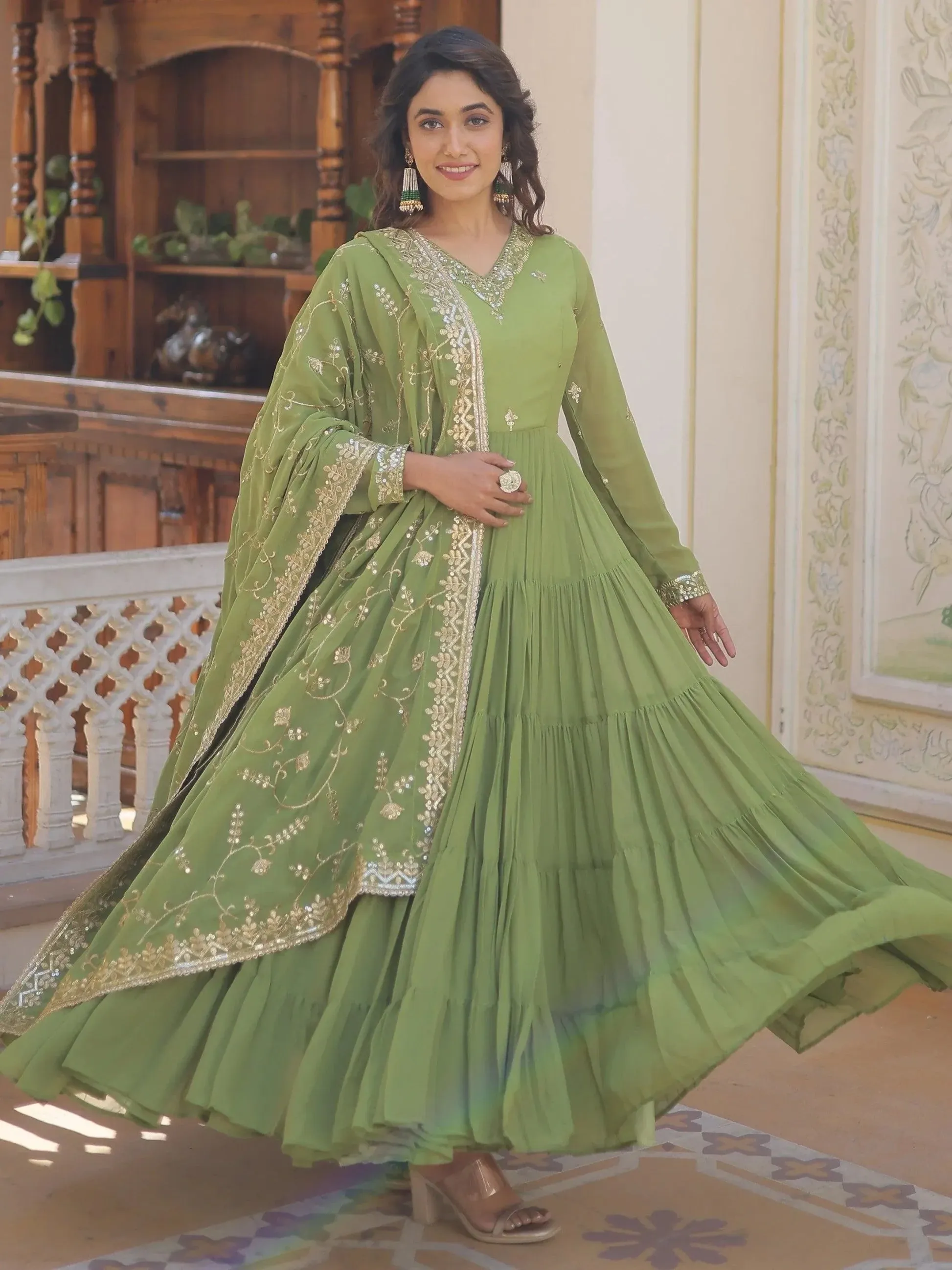
A white lehenga gives the blouse an important role because small design choices can change the mood of the entire outfit. A fitted blouse with delicate embroidery creates a polished appearance, while a structured neckline or subtle sleeve detailing can introduce a more contemporary feel without losing the traditional character of bridal clothing.
The dupatta can then be used to add another layer of color or texture. A sheer ivory dupatta keeps the outfit soft and coordinated, while a blush, pastel, or metallic-bordered option creates gentle contrast. Draping it neatly over one shoulder can highlight the blouse, whereas a traditional head drape creates a more ceremonial appearance.
Jewelry That Complements the Bridal Palette
Jewelry should be selected according to both the embroidery and the chosen shade of white. Gold pieces work beautifully with warm ivory and champagne tones, while silver jewelry and pearls can enhance cooler whites. Polki-inspired pieces can provide traditional richness without requiring excessive color elsewhere in the outfit.
If the lehenga contains heavy embroidery, a large necklace may not always be necessary. Statement earrings, bangles, and a delicate maang tikka can create enough festive detail while allowing the clothing to remain visible. Keeping the jewelry connected to the embroidery creates a more balanced and cohesive bridal appearance.
-
Choose gold with warmer ivory shades.
-
Pair cooler whites with pearls or silver.
-
Let statement jewelry have one main focus.
-
Match accessories with the embroidery details.
Conclusion
The beauty of a softer bridal palette lies in its ability to reflect different personalities. Some brides may prefer an almost monochromatic appearance with ivory embroidery and pearl jewelry, while others may introduce pastel dupattas, colorful stones, or metallic accents for greater contrast.
The most successful styling choices usually come from considering the complete outfit rather than selecting each element separately. Fabric, silhouette, embroidery, jewelry, hairstyle, and footwear should work together while still leaving room for individuality. A carefully styled white lehenga can therefore feel traditional, modern, and deeply personal at the same time.