
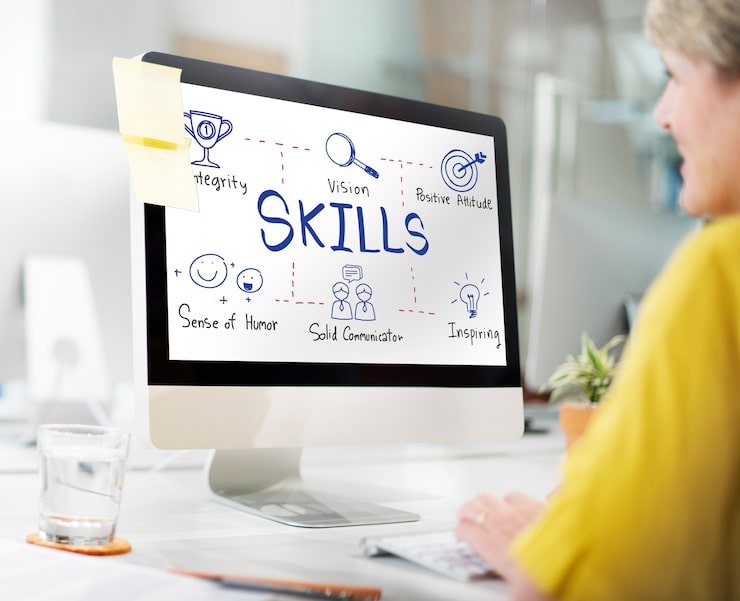
Skill development courses have quietly become one of the most powerful tools for career growth in today’s fast-changing world.
Whether you are a student unsure about your future, a working professional feeling stuck, or someone restarting after a career break, learning new skills can completely change your trajectory. Degrees still matter, but skills decide how far and how fast you grow. That shift is why more people are turning to structured learning programs that focus on practical abilities rather than just theory.
Why Skill Development Matters More Than Ever
The job market no longer rewards knowledge alone. Employers look for people who can apply what they know from day one. Technology evolves quickly, industries transform, and roles that existed five years ago may already be outdated.
Skill development courses bridge this gap by helping learners stay relevant. They focus on real-world application, hands-on practice, and problem-solving. This makes them valuable not only for freshers but also for experienced professionals trying to future-proof their careers.
The Real Meaning of Skill Development Courses
At their core, skill development courses are designed to teach specific abilities that can be directly used in the workplace. These could be technical skills like coding or data analysis, or soft skills such as communication and leadership.
Unlike traditional education, these courses are usually shorter, flexible, and more focused. They are built around industry needs rather than academic syllabi, which makes learning more practical and outcome-driven.
How Skill Development Courses Help Bridge the Employability Gap
Many graduates struggle to find jobs despite having degrees. The reason is often a lack of job-ready skills. Employers want candidates who understand tools, workflows, and real challenges.
Skill development courses help close this gap by aligning learning with market demand. They train learners on current technologies, modern practices, and workplace expectations. This alignment increases confidence during interviews and improves on-the-job performance.
Skill Development Courses for Students and Fresh Graduates
For students, early exposure to practical skills can be a game changer. It helps them understand their interests and strengths beyond textbooks.
A student learning digital marketing alongside a business degree or a computer science student mastering cloud computing gains a clear advantage. These courses provide clarity, direction, and confidence before entering the job market.
Skill Development Courses for Working Professionals
Professionals often reach a stage where growth slows down. This usually happens when skills no longer match evolving roles.
Upskilling through targeted programs helps professionals transition into new roles, earn promotions, or switch industries. Many people have successfully moved from non-technical backgrounds into tech roles through consistent learning and practice.
Career Switches Made Possible Through Skill Development
Career transitions are no longer rare. People shift from sales to analytics, from teaching to content strategy, and from operations to product management.
Skill development courses make these transitions realistic. They provide structured learning paths that gradually build competence. With enough practice and real projects, even drastic career changes become achievable.
Popular Domains Covered in Skill Development Courses
Technology remains one of the most popular areas. Skills related to software development, artificial intelligence, cybersecurity, and data science are in high demand.
Beyond tech, there is growing interest in finance, design, digital marketing, healthcare support roles, and entrepreneurship. Each domain has specialized programs designed to meet industry expectations.
Online vs Offline Skill Development Courses
Online learning has expanded access to education like never before. Learners can study at their own pace, revisit lessons, and balance work with learning.
Offline programs offer structured environments, peer interaction, and hands-on workshops. The best choice depends on learning style, schedule, and career goals. Many modern learners prefer blended models that combine both approaches.
The Role of Certifications in Skill Development Courses
Certifications act as proof of learning. While they are not a guarantee of employment, they help validate your skills.
Recruiters often use certifications as initial filters. More importantly, the learning process itself builds confidence and competence. Practical exposure matters more than the certificate, but both together create strong value.
Skill Development Courses and Freelancing Opportunities
Many learners use skill development courses to enter freelancing. Skills like graphic design, writing, web development, and marketing are in constant demand.
Freelancers benefit from skill-based income because earnings grow with expertise. Courses that focus on portfolio building and real client projects are especially useful in this path.
Government and Industry Support for Skill Development
Many governments now actively promote skill development to reduce unemployment and improve workforce quality. Subsidized programs, public-private partnerships, and national skill missions are becoming common.
Industry involvement ensures course content stays relevant. When companies participate in curriculum design, learners gain exposure to real expectations and tools.
Choosing the Right Skill Development Courses
The right course aligns with your career goals, current skill level, and industry demand. Research is essential before enrolling.
Look at curriculum depth, instructor experience, learner reviews, and placement support. A well-structured program focuses on practice, not just theory.
Learning Pace and Commitment
Skill development requires consistency. Short courses can deliver results only if learners actively practice and apply concepts.
Allocating regular time, working on projects, and seeking feedback accelerates progress. Learning is not passive; it requires effort and curiosity.
Soft Skills and Their Growing Importance
Technical expertise alone is no longer enough. Communication, teamwork, adaptability, and leadership are critical for career success.
Many skill development courses now integrate soft skills training. This combination prepares learners not just for jobs, but for long-term career growth.
Real-Life Story of Skill Transformation
Consider a commerce graduate working in a clerical role with limited growth. After enrolling in a structured analytics program, practicing daily, and completing projects, they transitioned into a business analyst role within a year.
Stories like this highlight the transformative power of skill development courses when combined with discipline and effort.
Skill Development Courses and Entrepreneurship
Entrepreneurs benefit greatly from learning practical skills. Marketing, finance, product development, and customer engagement are essential for building sustainable businesses.
Courses tailored for startups help founders avoid costly mistakes and scale efficiently. Learning from industry experts accelerates decision-making and growth.
The Role of Mentorship in Skill Development
Good programs often include mentorship. Guidance from experienced professionals helps learners avoid confusion and stay motivated.
Mentors provide career advice, feedback on projects, and industry insights that textbooks cannot offer. This human element adds tremendous value.
Assessing Return on Investment
Before enrolling, consider time, cost, and expected outcomes. A good course should improve employability, income potential, or career satisfaction.
While not every course leads to immediate results, consistent learning compounds over time. Skills gained today often unlock opportunities years later.
Common Myths About Skill Development Courses
Some believe skills can be mastered quickly without effort. In reality, learning takes time and practice.
Others think only technical skills matter. Soft skills and domain understanding are equally important. Balanced learning produces the best results.
Skill Development Courses and Lifelong Learning
Learning does not stop after one course. Careers evolve, and so should skills.
Professionals who continuously upgrade themselves stay competitive and confident. Lifelong learning is no longer optional; it is a necessity.
How Employers View Skill-Based Learning
Employers increasingly value demonstrated skills over formal qualifications. Portfolios, projects, and practical experience often outweigh degrees.
Candidates who invest in learning show initiative and adaptability. These traits are highly valued in modern workplaces.
Future Trends in Skill Development Courses
Courses are becoming more personalized, interactive, and outcome-focused. Technologies like AI and virtual labs enhance learning experiences.
Industry-aligned micro-credentials and modular programs allow learners to build skills step by step. This flexibility suits diverse career paths.
Building Confidence Through Skill Mastery
Confidence grows when you know you can handle real challenges. Skill mastery reduces fear of change and uncertainty.
With the right guidance and practice, skill development courses empower learners to take control of their careers and futures.
Long-Term Impact of Skill Development
Skills compound over time. What starts as a small learning effort can lead to promotions, career switches, and financial stability.
People who invest in themselves consistently experience more professional satisfaction and adaptability in changing markets.