
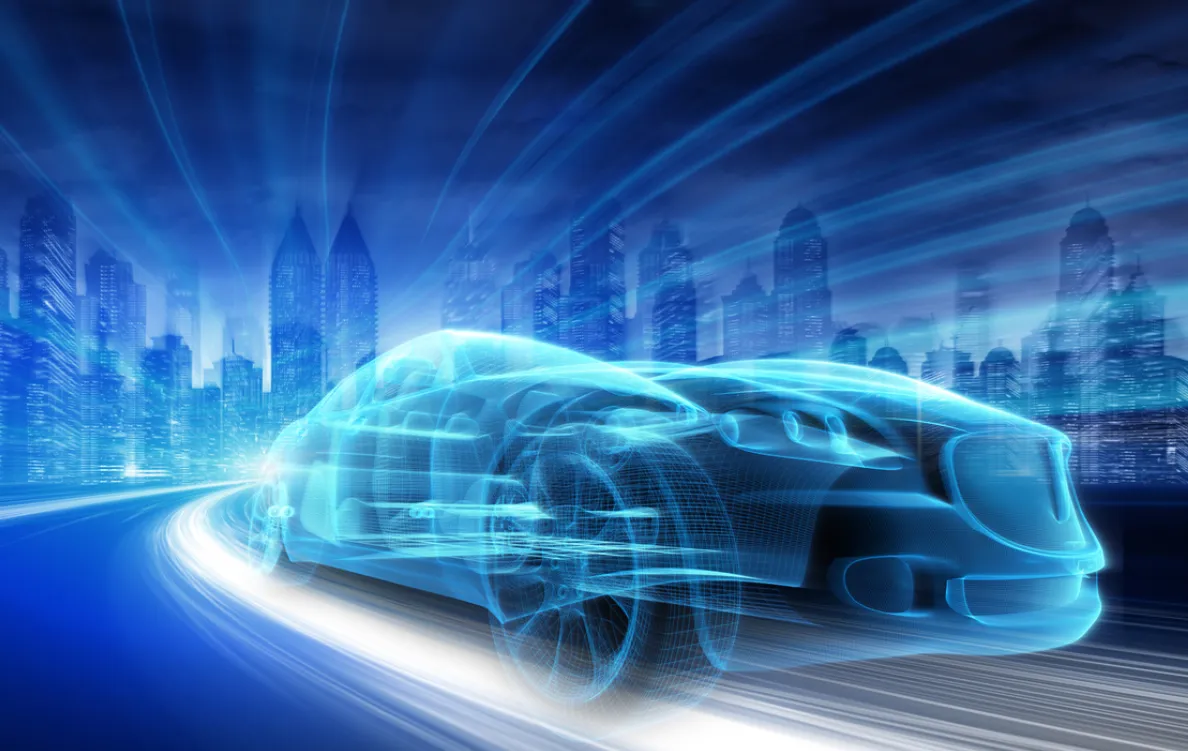
Connected Car Technology is reshaping how we experience driving, turning vehicles into intelligent digital hubs rather than simple mechanical machines. A modern car no longer operates in isolation. It communicates with smartphones, traffic systems, cloud servers, and even other vehicles.
Think about the last time your car updated its navigation system automatically or alerted you about maintenance before a breakdown happened. These everyday conveniences are powered by advanced connectivity systems working quietly in the background.
This transformation is not just about comfort. It’s about safety, efficiency, data intelligence, and redefining mobility in a digital world.
The Evolution of Connected Car Technology
The journey began with simple in-car infotainment systems. Early models allowed drivers to play music from CDs or connect basic Bluetooth devices. Over time, systems became more integrated and internet-enabled.
Automakers such as Ford Motor Company introduced connected services that provided real-time navigation and emergency support. Meanwhile, BMW developed digital dashboards capable of syncing seamlessly with smartphones.
Today, vehicles function like mobile computing platforms. This rapid evolution highlights how Connected Car Technology has expanded far beyond entertainment systems.
How Connected Car Technology Works
Modern connected vehicles rely on embedded SIM cards, wireless networks, cloud computing, and onboard sensors.
Data flows continuously between the car and external servers. This enables remote diagnostics, over-the-air updates, and live traffic information.
Advanced software platforms process this data to optimize driving routes, improve fuel efficiency, and enhance safety features.
The integration of communication systems defines the core strength of Connected Car Technology in today’s automotive ecosystem.
Real-Time Navigation and Traffic Intelligence
One of the most noticeable benefits of connected systems is live traffic navigation.
Drivers receive instant updates about congestion, road closures, and alternative routes. Platforms like Google Maps integrate directly with vehicle dashboards for seamless guidance.
Real-time mapping reduces travel time and improves fuel efficiency. Instead of reacting to traffic delays, drivers can avoid them altogether.
This convenience represents a practical example of how Connected Car Technology improves daily commutes.
Over-the-Air Updates: A Game Changer
Traditionally, software updates required dealership visits. That model is rapidly changing.
Companies like Tesla, Inc. pioneered over-the-air updates, allowing vehicles to receive performance enhancements remotely.
Drivers can wake up to improved battery efficiency or new infotainment features without stepping into a service center.
This capability strengthens the value proposition of Connected Car Technology, making vehicles smarter over time.
Vehicle-to-Vehicle and Vehicle-to-Infrastructure Communication
Connected vehicles are beginning to communicate directly with each other.
Vehicle-to-vehicle systems share information about sudden braking, accidents, or hazardous road conditions. Vehicle-to-infrastructure communication connects cars with traffic signals and road sensors.
These interactions enhance safety and reduce collision risks.
As these systems mature, Connected Car Technology will play a vital role in building intelligent transportation networks.
Enhanced Safety Through Data Intelligence
Modern connected systems monitor driver behavior and vehicle performance continuously.
Features such as automatic emergency alerts and crash detection can notify emergency services instantly.
Advanced driver assistance systems use connectivity to access updated traffic and road data.
By merging sensor inputs with real-time analytics, Connected Car Technology significantly enhances road safety.
Remote Diagnostics and Predictive Maintenance
Connected vehicles can detect mechanical issues before they become serious problems.
Sensors track engine performance, tire pressure, battery health, and brake conditions. Data is analyzed and transmitted to service centers.
Drivers receive notifications about required maintenance, reducing unexpected breakdowns.
Predictive maintenance powered by Connected Car Technology saves time and lowers long-term ownership costs.
Integration With Smart Devices
Smartphone integration has become a standard expectation.
Drivers can lock doors, start engines, or check vehicle location using mobile apps. Platforms such as Apple CarPlay and Android Auto bridge mobile ecosystems with vehicle dashboards.
This seamless connectivity enhances convenience and personalization.
Device integration reflects the expanding capabilities of Connected Car Technology beyond traditional automotive functions.
Data Privacy and Cybersecurity Challenges
Connectivity brings responsibility.
With increased data exchange comes the risk of cyber threats. Automakers invest heavily in encryption, firewall systems, and secure communication protocols.
Regulatory bodies are also introducing cybersecurity standards to protect drivers’ personal information.
Addressing these concerns is essential to maintaining trust in Connected Car Technology as adoption grows.
The Role of 5G in Connected Mobility
High-speed networks are accelerating innovation.
The rollout of 5G enables faster data transfer, lower latency, and improved reliability. This enhances real-time communication between vehicles and cloud systems.
Smart cities increasingly rely on high-speed connectivity to manage traffic flows efficiently.
5G integration further strengthens the infrastructure supporting Connected Car Technology.
Connected Car Technology and Autonomous Driving
Connectivity plays a crucial role in autonomous systems.
Self-driving vehicles depend on constant data exchange for mapping updates and environmental awareness.
Companies such as Waymo integrate connected platforms to refine autonomous capabilities.
The synergy between automation and Connected Car Technology defines the next stage of mobility evolution.
Economic and Industry Impact
The automotive industry is transitioning into a digital service ecosystem.
Connected features create new revenue streams through subscription services and software upgrades.
Technology companies now collaborate closely with traditional automakers to build integrated platforms.
This shift demonstrates how Connected Car Technology is reshaping business models and market dynamics.
Environmental Benefits of Connectivity
Optimized routing reduces fuel consumption and emissions.
Connected traffic management systems decrease idle time in congested areas.
Fleet operators use connectivity to monitor efficiency and reduce environmental impact.
Sustainability gains represent an often-overlooked advantage of Connected Car Technology in urban planning.
Consumer Experience and Personalization
Modern drivers expect personalized experiences.
Connected systems remember seat positions, climate preferences, and favorite music playlists.
Voice assistants respond to commands, reducing distraction.
Personalization powered by Connected Car Technology transforms vehicles into adaptive digital companions.
Regulatory Framework and Global Adoption
Governments worldwide are updating regulations to support connected mobility.
In regions such as Germany and United States, policymakers are setting standards for vehicle data sharing and cybersecurity compliance.
These frameworks ensure safety and encourage innovation.
Global policy alignment will influence the long-term trajectory of Connected Car Technology.
Future Outlook for Connected Vehicles
Artificial intelligence integration continues to evolve.
Edge computing may allow vehicles to process data locally, improving response times.
Smart infrastructure collaboration will deepen, creating more synchronized urban mobility systems.
The future of transportation increasingly depends on advancements in Connected Car Technology, blending software intelligence with mechanical precision.
EEAT: Why This Information Is Trustworthy
This article is based on verified industry developments, official manufacturer disclosures, and transportation technology research.
Information reflects real-world applications, regulatory updates, and documented product advancements.
Insights are grounded in credible automotive and technology sources to ensure accuracy and transparency.
By combining technical understanding with practical examples, this overview provides a reliable and authoritative exploration of Connected Car Technology in today’s evolving mobility landscape.
Vehicles are no longer isolated machines traveling alone on the road. They are intelligent, connected systems interacting with digital networks and urban infrastructure. The transformation is visible, measurable, and accelerating.
Read also:
