
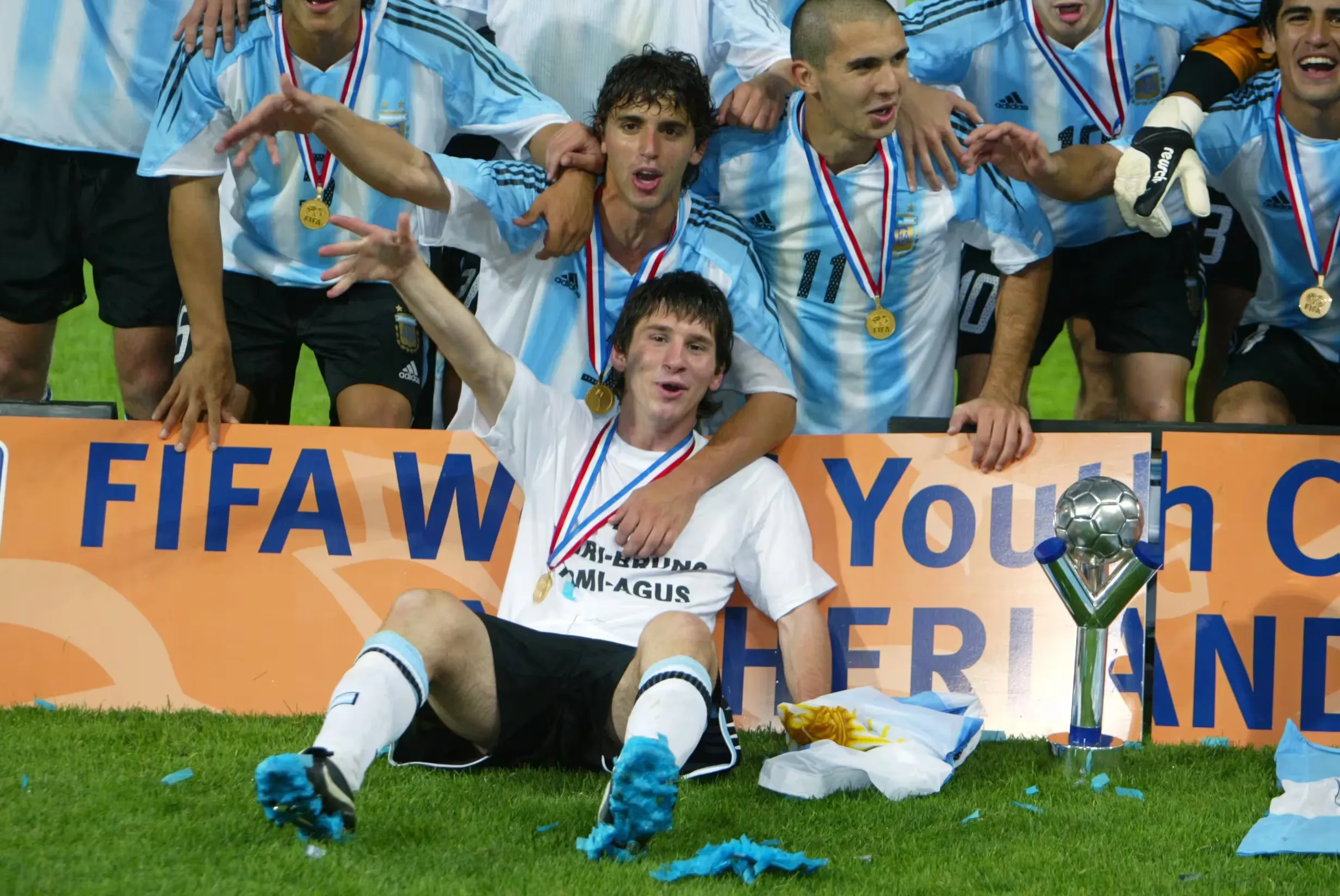
FIFA Youth Championship tournaments serve as the ultimate proving ground for the next generation of footballing giants, where teenagers transform into household names under the glare of global scrutiny. For decades, this competition has acted as a bridge between promising talent and professional immortality, offering a stage where the stars of tomorrow can showcase their skills. When we look back at the history of the sport, it is impossible to ignore the role these youth tournaments played in introducing us to legends who would eventually dominate the senior game.
The journey of an elite footballer often begins long before they lift a Champions League trophy or a senior World Cup, and for many, that journey passes through the intense environment of youth internationals. These competitions are not merely developmental exercises; they are high-stakes tournaments that demand tactical maturity, physical resilience, and psychological strength from players who are often still in their formative years. The sheer pressure of representing a nation at the age of seventeen or nineteen provides a unique educational experience that no club academy can truly replicate.
The atmosphere surrounding these events has shifted dramatically since the first official edition was held in Tunisia back in 1977. What started as a modest gathering of emerging talent has evolved into a massive commercial and sporting spectacle that attracts the attention of every major club scout on the planet. For a few weeks every two years, the footballing world turns its eyes toward host cities that become the epicenter of hope and ambition for young athletes from every continent.
Expert observers often point to the year 2005 as a landmark moment in the history of youth football, specifically during the tournament held in the Netherlands. It was here that a diminutive Argentine teenager named Lionel Messi announced himself to the world, leading his team to glory and claiming both the Golden Ball and Golden Boot. Stories like his are the heartbeat of the competition, providing a tangible link between youth potential and the absolute pinnacle of sporting achievement.
The FIFA Youth Championship as a Global Scouting Goldmine
The modern scouting industry has transformed the way these tournaments are perceived by the professional world, turning every match into a live audition for multi-million dollar contracts. In the past, scouts might have relied on word-of-mouth or grainy video footage, but today, every movement on the pitch is tracked by high-definition cameras and sophisticated data analytics. A single brilliant performance in a group stage match can see a player’s market value skyrocket overnight, attracting interest from the biggest leagues in Europe.
This intense scrutiny creates a fascinating dynamic within the squads, as players must balance their individual ambitions with the collective goals of their national team. The best coaching staffs in youth football are those who can navigate this tension, ensuring that their players remain focused on the tactical plan while allowing their natural flair to shine. It is a delicate balancing act that requires a deep understanding of the teenage psyche and the immense pressure that comes with being labeled a “prodigy.”
Agents and representatives are also permanent fixtures in the stands during these matches, looking to secure the signatures of the next big thing before their rivals do. This commercial side of the game adds a layer of complexity to the tournament that wasn’t present in previous generations. Young players must now possess a level of professional maturity that allows them to ignore the noise of the transfer market and focus entirely on their performance on the grass.
Furthermore, the FIFA Youth Championship provides a unique data set for clubs looking to diversify their recruitment strategies across different regions. While European and South American talent has traditionally dominated the headlines, recent years have seen an incredible surge in quality from African and Asian nations. These tournaments offer a rare opportunity to see how different footballing philosophies clash, providing valuable insights into the global evolution of the sport’s tactical trends.
The role of the host nation is also critical in shaping the legacy of the tournament, as it provides an opportunity to develop local infrastructure and inspire a new generation of fans. When a country hosts a youth world cup, they aren’t just hosting a series of matches; they are investing in the long-term health of their own domestic footballing culture. The enthusiasm of the local crowds often provides a vibrant backdrop that elevates the prestige of the entire event.
Technical Progress and the FIFA Youth Championship Legacy
Technological integration has become a hallmark of recent youth tournaments, with FIFA using these events as a testing ground for innovations that eventually make their way into the senior game. From the early trials of Goal-Line Technology to the refinement of Video Assistant Referees, the youth stage offers a controlled environment to see how new rules impact the flow of the match. This forward-thinking approach ensures that the competition remains at the cutting edge of the sport’s technical development.
Tactically, the FIFA Youth Championship often showcases a more open and adventurous style of play compared to the sometimes cautious nature of senior international football. Without the burden of decades of tactical dogma, young players are often more willing to take risks, resulting in high-scoring matches and moments of individual brilliance that capture the imagination. This “fearless” approach is what makes the tournament so attractive to neutral fans who want to see the game played with spontaneous joy.
The physical preparation of youth players has also reached unprecedented levels of sophistication, with teams employing dedicated sports scientists and nutritionists to manage their squads. The days of simply showing up and playing are long gone; modern youth teams operate with the same level of professional detail as any elite club side. This focus on “marginal gains” ensures that the players are in peak condition to handle the grueling schedule of a tournament held in often challenging climates.
We must also consider the role of the “Golden Generations” that often emerge from these competitions. Think of the Portuguese side of the early 90s, featuring Luis Figo and Rui Costa, who won back-to-back youth titles before becoming the backbone of their senior team for a decade. These cycles of success suggest that a strong performance at the youth level is a reliable indicator of a nation’s future standing in the global hierarchy, making the results of these tournaments highly significant for national federations.
The psychological resilience built during these weeks is perhaps the most valuable takeaway for the players involved. Learning how to deal with a loss in a knockout match, or how to maintain focus after a massive victory, provides the emotional foundation needed for a long career in the professional game. Many players cite their experiences in youth championships as the moments where they truly learned what it meant to be a professional athlete.
National identity plays a massive role in the motivation of these young squads, as they are often the first representatives of their age group to wear the official colors on a world stage. The pride of hearing the national anthem played before a global audience is a powerful motivator that can drive a team to overachieve against more talented opponents. This emotional connection to the shirt is what gives the tournament its unique character and ensures that every match is played with maximum intensity.
The transition from the FIFA Youth Championship to the senior stage is the final and most difficult hurdle for these players. While some make the jump look effortless, many others struggle with the increased physical demands and the slower, more tactical pace of senior football. The success rate of youth stars is a constant topic of debate among analysts, highlighting the unpredictable nature of human development and the challenges of sustaining elite performance over many years.
In recent years, we have seen a move toward making these tournaments more inclusive, with more teams from smaller footballing nations qualifying through their respective continental championships. This expansion has led to some of the most heartwarming stories in the sport’s history, as underdogs from Oceania or the Caribbean find themselves competing against the traditional giants of Europe. These matches embody the “Fair Play” spirit that FIFA strives to promote across all its competitions.
The media coverage of youth football has also undergone a revolution, with matches now being broadcast to millions of homes via streaming platforms and dedicated sports channels. This increased visibility means that a teenager playing in a stadium halfway across the world can become a viral sensation in a matter of minutes. While this brings fame and opportunity, it also brings a level of public scrutiny that requires the players to have a strong support system around them.
Coaching at the youth level has become a highly specialized career path, with managers focusing on the specific educational needs of teenagers rather than just match results. The best youth coaches are those who view themselves as educators first and tacticians second, prioritizing the long-term growth of the player over the short-term glory of a trophy. This philosophy ensures that the tournament continues to serve its primary purpose: the development of the world’s best talent.
The impact of the tournament on the host cities is often felt for years after the final whistle has blown. New stadiums, improved transport links, and a renewed interest in local grassroots football are common outcomes of hosting a major youth event. For many cities, the tournament is a chance to show the world their hospitality and their passion for the game, creating lasting memories for the visiting teams and the local population alike.
We also see a fascinating exchange of cultures during these weeks, as players from vastly different backgrounds live and compete in the same environment. This social aspect of the FIFA Youth Championship is often overlooked, but it plays a vital role in broadening the horizons of these young men. Learning to respect different cultures and styles of play is a key part of becoming a global citizen in the modern, interconnected world of professional football.
The evolution of the ball itself and the equipment used in these tournaments is another area where technical progress is evident. Every edition features a new match ball designed with the latest aerodynamics, providing a consistent surface for the players to showcase their technique. These small details contribute to the overall quality of the matches, ensuring that the players have the best possible tools to perform at their highest level.
Looking at the tactical trends of the most recent editions, we see an increased emphasis on versatility and “multi-functional” players. The modern youth star is expected to be comfortable in multiple positions and possess a high degree of tactical intelligence. This shift reflects the changing nature of the senior game, where fixed positions are becoming less common and fluidity is the key to breaking down organized defenses.
The stories of those who didn’t make it are just as important as the stories of those who did. For every Messi, there are dozens of players who starred in a youth championship but for various reasons never reached the same heights in the senior game. These narratives serve as a reminder of the fragility of talent and the importance of hard work, luck, and the right environment in the journey to the top.
The FIFA Youth Championship remains a beacon of hope for young footballers everywhere, a tangible goal that they can strive for from the moment they first kick a ball. It represents the dream of representing your country and the chance to change your life and the lives of your family through the game you love. As long as that dream exists, the tournament will continue to be one of the most important and beloved events in the sporting calendar.
The sheer unpredictability of youth football is what keeps the fans coming back edition after edition. You never know when you are going to see a goal that will be talked about for twenty years, or a performance that will signal the arrival of the game’s next great icon. It is this sense of discovery that makes the tournament so special, providing a constant stream of fresh talent and new stories to the global footballing narrative.
As we look toward future editions, the commitment to developing the game in all corners of the world remains stronger than ever. The expansion of the tournament and the continued investment in youth academies worldwide suggest that the standard of play will only continue to rise. We are entering a golden age of youth football, where the gap between the traditional powers and the rest of the world is narrower than it has ever been.
The legacy of the competition is not just found in the trophy cabinet of the winners, but in the careers of the thousands of players who have passed through its ranks. It is found in the joy of the fans who witnessed the birth of a legend, and in the pride of the coaches who helped shape the stars of tomorrow. The tournament is a celebration of the future, a reminder that the beautiful game is always evolving and always finding new ways to surprise and delight us.
The passion of the teenagers on the pitch is a reflection of the passion of millions of fans around the world who live and breathe football. Every tackle, every pass, and every goal is a testament to the enduring power of the sport to inspire and unite people across all boundaries. In the end, the tournament is about more than just finding the next superstar; it is about celebrating the universal language of football and the limitless potential of the next generation.
Read also :-
hyderabad fc vs bengaluru fc lineups
roundglass punjab fc vs mohun bagan super giant standings
hyderabad fc vs northeast united fc stats
