
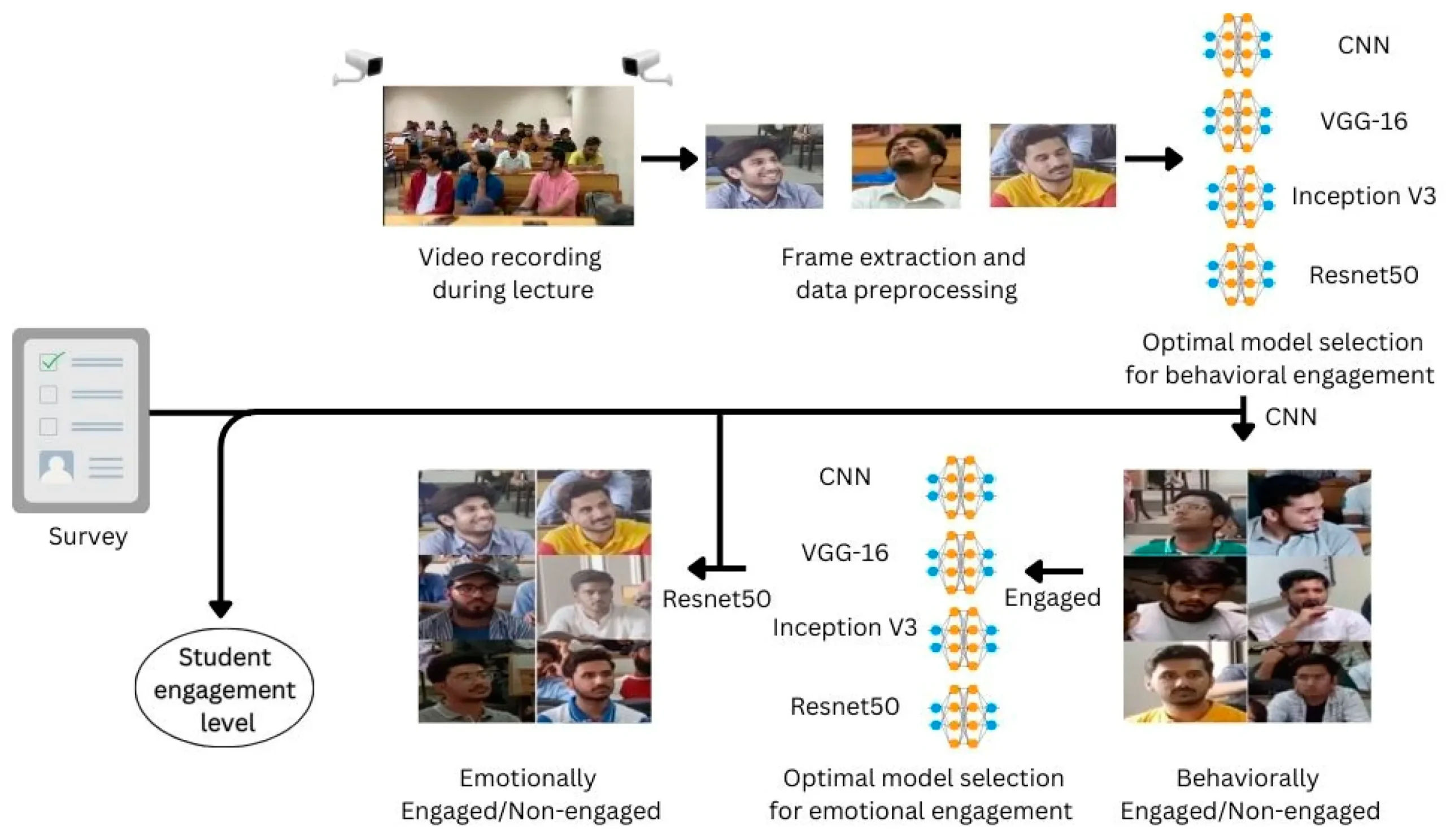
Student Engagement Models are more than just educational buzzwords — they’re the frameworks that transform passive classrooms into dynamic environments where every learner feels seen, heard, and motivated. When I first stepped into a middle school classroom as a teaching assistant, I watched a seasoned teacher spark curiosity without raising her voice. She simply applied strategies that made engagement feel effortless. That moment made me realize how powerful the right engagement approach can be, especially when it’s rooted in thoughtful models that honor student experiences and insights.
Today, we’ll explore how Student Engagement Models can be applied across age groups and subjects, how educators and students alike can benefit, and stories from classrooms where engagement shifted from a lofty goal to an everyday reality.
What Are Student Engagement Models and Why They Matter
At their core, Student Engagement Models are conceptual frameworks that help educators understand how learners participate in and connect with educational experiences. These models categorize engagement into emotional, behavioral, and cognitive dimensions.
Emotional engagement relates to how students feel about learning — do they enjoy it? Do they feel connected? Behavioral engagement refers to actions — attendance, participation, and completion of tasks. Cognitive engagement involves the mental effort students invest in understanding, applying, and extending their learning.
These models matter because they help teachers diagnose what’s working and what’s not. For example, a student might behave well in class but lack emotional engagement. Recognizing this through a model allows for targeted strategies that can elevate learning experiences for every student.
In one story from an urban charter school, a teacher used a student engagement model to redesign her literature unit. By incorporating choice, relatable themes, and collaborative projects, she saw shy students who rarely spoke in class begin to lead discussions and produce thoughtful analysis. That’s the kind of transformation these models support.
Everyday Classroom Stories That Bring Engagement to Life
I once talked with a high school physics teacher who introduced game-based simulations to help her students grasp concepts like force and motion. Initially, the class was quiet, textbook‑focused, and hesitant to ask questions. When she implemented an engagement model that emphasized active learning and collaboration, everything changed.
Students began forming study groups, debating experiment results, and using storytelling to explain physics concepts. The teacher shared that attendance improved and students even stayed after class to work together. That shift wasn’t magic — it emerged from actively using a Student Engagement Model to tailor instruction to student interests and learning preferences.
Another example comes from an elementary school where the principal shared how reflection journals transformed engagement. Students wrote about what they found exciting or challenging in lessons. Teachers used this feedback to adjust instruction. When students felt their voices influenced classroom decisions, their ownership of learning skyrocketed. Engagement became something students co‑created, not just something teachers imposed.
Core Types of Engagement Within Models
When educators study Student Engagement Models, they often focus on three overlapping areas: emotional, behavioral, and cognitive engagement. These categories offer a richer understanding than simply “participation.”
Emotional engagement includes attitudes, interest, and feelings about school. Teachers might encourage emotional engagement through culturally relevant texts, celebration of diverse perspectives, or opportunities for personal expression.
Behavioral engagement is visible — active participation, consistent attendance, collaboration, and effort. Class activities like group projects or choice boards often enhance this kind of engagement because students feel involved in doing, not just listening.
Cognitive engagement is deeper. It’s the investment students make in thinking about learning. Tasks that challenge students, foster problem‑solving, or connect classroom learning to real‑world scenarios support cognitive engagement.
By understanding these types, teachers can look beyond surface participation and address what truly motivates students. A child might sit quietly and complete assignments (behavioral), but the engagement model helps educators ask: “Is this student emotionally or cognitively connected to the work?”
How Teachers Can Apply Student Engagement Models Today
One of the first steps in applying Student Engagement Models is observation. Teachers can take note of who participates, who struggles quietly, and who excels but lacks enthusiasm. Over time, patterns emerge.
For example, a teacher might notice that students are emotionally engaged during creative group projects but disengaged during lecture‑based lessons. That insight might lead to integrating more discussion, movement, or choice into lessons.
Another strategy is to create feedback loops. Instead of waiting for test scores, some teachers ask students what aspects of a unit felt meaningful or boring. When students see their feedback influence classroom decisions, their emotional and cognitive engagement often rises.
In professional development workshops I’ve attended, educators shared that simply changing seating arrangements or adding movement breaks increased participation. While seemingly small, these changes aligned with engagement models that emphasize social interaction and agency. Students were more willing to take risks, share ideas, and problem‑solve collaboratively.
Student Engagement Models in Remote and Blended Learning
With digital learning becoming more common, models that support engagement have expanded. Teachers now blend synchronous video lessons with asynchronous discussion boards and collaborative documents.
One middle school teacher shared how she used digital choice boards that allowed students to pick different pathways through a unit. Some students recorded short videos explaining key concepts, others wrote reflections, and some created visual representations. The result was a tapestry of learning styles and expressions — and a clear example of an engagement model working in a digital context.
A crucial part of online engagement is fostering community. Teachers encourage small breakout groups, regular check‑ins, and peer feedback. These practices support emotional and cognitive engagement, even when students are miles apart.
In virtual classrooms, visibility into student engagement isn’t always obvious. That’s where models help. Teachers can look at patterns — who contributes to discussions, who submits thoughtful work, who reaches out for clarification — and then adjust instructional approaches accordingly.
Student Engagement Models and Social‑Emotional Learning
Engagement doesn’t happen in isolation from students’ emotions or well‑being. This is why many schools incorporate social‑emotional learning (SEL) into their engagement strategies.
When students feel safe, respected, and valued, they’re more likely to participate fully. SEL practices like daily check‑ins, reflective journaling, and community building circles encourage students to connect with their learning and with one another.
I remember a teacher who began every class with a “high/low” check‑in — students shared a high point and a challenge. Over time, this ritual built trust. Students who rarely spoke in class began volunteering ideas. Engagement models that include SEL recognize that students’ hearts and minds are intertwined.
Real Benefits of Student Engagement Models in Schools
Across classrooms, schools that explicitly use Student Engagement Models report many benefits. Students show greater persistence, reduce absenteeism, and demonstrate deeper understanding. Teachers experience fewer behavior issues and enjoy richer discussions.
In one suburban district, educators found that students who were regularly engaged through collaborative projects and reflective tasks performed better on assessments and displayed stronger critical thinking. Teachers said that engagement allowed them to see student potential beyond standardized scores.
When students feel connected to their learning, they’re more likely to advocate for themselves. They ask questions, explore interests, and take intellectual risks. Engagement becomes a pathway to agency, where students own their learning journeys instead of just completing assignments.
Student Engagement Models and Equity in Education
Equity is at the heart of meaningful engagement. When frameworks are used to understand diverse learners, teachers can design instruction that honors varied backgrounds, language experiences, and cultural identities.
An urban high school principal shared how the school redesigned its curriculum after students expressed feeling unseen in traditional texts. Teachers co‑constructed reading lists with students, which led to deeper engagement and richer discussions.
Student engagement models help uncover who is participating and who might be unintentionally left out. Equity‑focused application of these models means creating spaces where all voices are valued — not just the loudest or most confident.
The Student Perspective: Why Engagement Matters
Students themselves often articulate the value of engagement more eloquently than adults. One student once told me, “I don’t learn because I have to; I learn because I want to.” That simple statement captures the heart of why we study Student Engagement Models. When learning feels purposeful, personal, and connected to life outside school, students step in with enthusiasm and investment.
Many students talk about engagement in terms of choice and relevance. They thrive when they can connect school work to passions, interests, and real problems. Whether it’s linking math to building a small business or history to family heritage, relevance invites deeper thinking and sustained participation.
Students also value collaboration. When they work in teams, share ideas, and respect differences, the classroom becomes a community rather than a hierarchy. Engagement models that emphasize social interaction support exactly this shift.
Challenges and Misconceptions About Engagement Models
Despite the clear benefits, there are misconceptions. Some educators think that engagement is merely about fun activities or entertainment. While enjoyable tasks can support engagement, meaningful models require intentional design that honors student thinking and learning processes.
Other challenges include time constraints or standardized curriculum demands. Teachers may feel pressure to cover content rather than explore engagement strategies. However, many schools that embrace engagement discover that meaningful learning and curriculum goals are not mutually exclusive — they complement each other.
Reflection and adjustment are essential. Engagement models are not rigid prescriptions; they are practical, flexible frameworks that grow with teacher experience and student feedback.
Tools That Support Engagement in the Modern Classroom
Today’s classrooms feature many tools that support Student Engagement Models. Digital portfolios help students track progress. Discussion platforms give voice to shy learners. Interactive simulations and project‑based learning tools bring abstract concepts to life.
More than tools, however, it’s the intention behind using them that matters. A teacher I worked with once said, “The best tool is the one that helps my students tell their stories.” Engagement thrives when students’ voices are central.
Regular reflection, whether through journals, think‑alouds, or class meetings, also supports engagement. These practices make learning visible — not just in grades, but in thinking, curiosity, and growth.
What’s Next for Student Engagement Models
As education evolves, so do our models of engagement. Today, educators are integrating cultural responsiveness, technology fluency, and student voice more intentionally than ever. Engagement is not a static concept — it’s dynamic, just like the students it serves.
Teachers around the world continue to innovate. From community‑based projects to interdisciplinary learning experiences, engagement models are being tested and refined every day. These efforts reflect a shared goal: to make learning meaningful, joyful, and transformative.
When we think about the future of education, we see classrooms — physical or virtual — where students are curious, connected, and confident. That’s the promise of Student Engagement Models in action.
Read also:
