
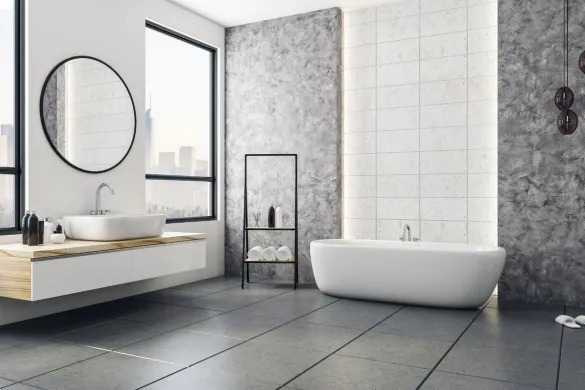
A small bathroom can feel frustrating when there is not enough room for daily essentials. Many homeowners think the only solution is expanding the space through expensive construction. That is not always true. Careful design decisions can make a compact bathroom feel more comfortable, organized, and attractive without changing its actual size.
The goal should not be making the room look luxurious at any cost. A practical bathroom that supports everyday routines usually provides greater value. Small improvements often create noticeable results when they focus on functionality first.
Understanding Space Limits
Every small bathroom has unique challenges. Some lack storage while others suffer from poor lighting or awkward layouts. Before making any changes, spend time understanding what prevents the room from working efficiently.
Take measurements carefully and identify areas that feel crowded. Notice how people move through the bathroom during normal use. This simple observation often reveals opportunities for improvement that might otherwise be overlooked.
Making decisions based on actual needs helps avoid wasting money on unnecessary upgrades.
Use Light Colors Wisely
Color affects how large a room appears. Dark walls can sometimes make a compact bathroom feel even smaller than it really is. Lighter shades reflect more light and help create an open atmosphere.
White remains popular because it works with almost every design style. Soft gray, pale beige, and light blue can also create a clean appearance without overwhelming the space.
Using similar shades across walls and major fixtures often creates visual continuity that makes the room seem larger.
Choose Better Mirrors
Mirrors can dramatically change how a small bathroom feels. A large mirror reflects both natural and artificial light, helping the room appear more spacious.
Many homeowners underestimate the impact of replacing an outdated mirror. A modern design can instantly refresh the room without requiring major renovation work.
Positioning mirrors strategically near light sources often enhances their effectiveness and improves overall brightness throughout the bathroom.
Improve Storage Capacity
Storage problems quickly become noticeable in small bathrooms. Personal care products, cleaning supplies, and extra towels can create clutter when there is no organized system.
Vertical storage often works best in compact spaces. Wall-mounted shelves provide useful storage while preserving valuable floor space. Cabinets installed above toilets also help maximize available room.
Small baskets and containers can keep products organized and easier to access during daily routines.
Floating Fixtures Help
Traditional fixtures sometimes occupy more visual space than necessary. Floating vanities create the appearance of additional floor area, making the bathroom feel less crowded.
Wall-mounted options also simplify cleaning because there are fewer obstacles around the floor. This practical advantage appeals to many homeowners seeking easier maintenance.
Modern floating designs are available in various styles and sizes, making them suitable for different renovation budgets.
Better Lighting Matters
Lighting influences both appearance and functionality. Poor lighting can make a small bathroom feel cramped and uncomfortable even when it is clean and organized.
Layered lighting often provides the best results. Ceiling fixtures supply general illumination while vanity lights improve visibility around mirrors.
LED technology remains a practical choice because it offers energy efficiency, long lifespan, and strong brightness levels suitable for everyday use.
Reduce Visual Clutter
Clutter makes small bathrooms feel even smaller. Keeping surfaces clear creates a cleaner appearance and improves overall comfort.
Store rarely used products inside cabinets whenever possible. Only essential items should remain visible on countertops. This simple approach often transforms how the room feels without requiring any purchases.
Organization habits are just as important as design decisions when managing limited space effectively.
Select Compact Fixtures
Large fixtures may overwhelm a small bathroom. Compact sinks, narrow vanities, and space-saving toilets can improve movement throughout the room.
Manufacturers now offer many products designed specifically for smaller spaces. These options provide functionality without consuming unnecessary room.
Choosing appropriately sized fixtures helps maintain balance and prevents the bathroom from feeling overcrowded.
Add Practical Accessories
Accessories should serve a purpose rather than simply fill empty space. Towel hooks often require less room than traditional towel bars. Corner shelves can provide storage in areas that might otherwise remain unused.
Simple additions can improve convenience while preserving a clean appearance. Overdecorating often creates visual clutter that reduces the effectiveness of other design improvements.
Practical accessories usually contribute more value than purely decorative items.
Ventilation Should Not Be Ignored
Moisture management is important in bathrooms of every size. Poor ventilation can lead to mold growth, unpleasant odors, and damage to walls or fixtures over time.
Exhaust fans help remove excess moisture and maintain healthier air quality. Regularly cleaning ventilation systems ensures they continue operating effectively.
A well-ventilated bathroom often stays cleaner and requires fewer repairs in the long run.
Avoid Common Design Errors
Many homeowners make the mistake of focusing entirely on appearance while ignoring daily functionality. Attractive features should always support practical use.
Another common error involves adding too many decorative elements. Excessive decorations can make a small room feel crowded and uncomfortable.
Failing to plan storage properly also creates long-term frustration. Good organization should be considered from the beginning of any renovation project.
Thoughtful planning usually prevents these issues and leads to better overall results.
Long-Term Value Benefits
Well-designed small bathrooms offer benefits that extend beyond appearance. Efficient layouts improve daily comfort while reducing frustration during busy routines.
Potential homebuyers often appreciate bathrooms that feel organized and functional. Practical improvements may contribute positively to property appeal without requiring expensive renovations.
Durable materials and timeless design choices also help maintain value over many years.
Conclusion
A small bathroom does not need to feel cramped, disorganized, or outdated. Smart design decisions, efficient storage solutions, and proper lighting can significantly improve both comfort and usability. Readers of nestupgraded.com often discover that practical improvements deliver better results than expensive remodeling projects. Focus on functionality first, reduce unnecessary clutter, and choose upgrades that support everyday needs. With careful planning and consistent maintenance, even the smallest bathroom can become a more enjoyable and efficient part of the home. Take the first step today and start improving your space with confidence.
Read also: