
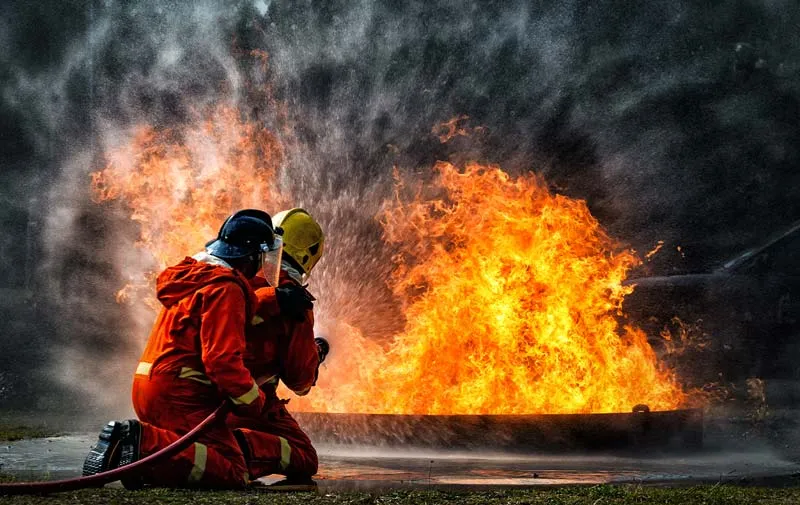
Fire emergency safety plan awareness often begins with a simple realization that fire does not give warnings or second chances. One ordinary evening, a short circuit, unattended stove, or faulty appliance can turn a safe space into a dangerous environment within minutes. Those who survive such incidents often say the same thing: preparation made all the difference.
Fire safety is not about fear; it is about readiness, clarity, and calm action. A well-thought-out plan helps people respond instinctively rather than panic. This article explains how fire safety planning works in real life, why it is essential for homes and workplaces, and how trust and expertise shape effective fire preparedness.
Table of Contents
ToggleUnderstanding the Purpose of a Fire Emergency Safety Plan
A safety plan exists to protect lives first, property second. Its main purpose is to ensure everyone knows what to do, where to go, and how to react when a fire breaks out.
An effective fire emergency safety plan clearly defines escape routes, response roles, communication methods, and post-evacuation actions. It removes confusion during high-stress situations and replaces it with practiced awareness.
Fire professionals agree that people rarely rise to the occasion during emergencies. Instead, they fall back on what they have practiced. Planning transforms chaos into coordinated movement.
Why Fire Emergencies Are More Dangerous Than Most People Think
Fire spreads faster than many expect. Modern furnishings and materials burn quicker and produce toxic smoke, which is often more deadly than flames.
In real incidents, visibility drops rapidly, breathing becomes difficult, and panic sets in. Without a clear plan, people may run toward danger or become trapped.
A trusted fire emergency safety plan anticipates these realities and prepares individuals to react safely under pressure.
The Human Factor in Fire Safety Preparedness
Fire safety is not only about alarms and extinguishers. It is about human behavior. People tend to underestimate risks, delay evacuation, or attempt to save belongings.
Training and awareness help counter these instincts. When people understand the risks through real examples, they are more likely to take drills seriously.
Experience from fire safety officers shows that repeated exposure to safety messaging builds confidence and trust in emergency procedures.
Fire Emergency Safety Plan for Residential Settings
Homes present unique fire risks due to cooking, electrical usage, and heating equipment. Family members may include children, elderly individuals, or pets who require additional attention.
A residential fire emergency safety plan ensures everyone knows at least two exit routes from each room. It also establishes a safe meeting point outside the home.
Families who practice evacuation drills tend to exit faster and with less panic, reducing injuries significantly.
Fire Emergency Safety Plan in Workplaces and Commercial Buildings
Workplaces face different challenges, including larger populations, complex layouts, and varied responsibilities.
In offices, factories, or public buildings, coordination is essential. Employees must understand alarms, evacuation paths, and accountability procedures.
A clearly communicated fire emergency safety plan demonstrates organizational responsibility and builds employee trust. It also aligns with regulatory standards and safety audits.
The Role of Fire Detection and Early Warning Systems
Early detection saves lives. Smoke alarms, heat detectors, and manual call points are critical components of fire preparedness.
However, equipment alone is not enough. People must recognize alarm signals and respond immediately.
Fire safety experts emphasize that alarms should trigger action, not investigation. A practiced plan reinforces this instinctive response.
Training and Drills as Life-Saving Tools
Fire drills often feel inconvenient, but they are one of the most effective safety measures available. They help identify weaknesses in evacuation routes and response time.
Repeated drills improve muscle memory. People move faster and more confidently with each practice.
This hands-on experience strengthens the effectiveness of any fire emergency safety plan and ensures readiness during real emergencies.
Learning from Real Fire Incidents
Case studies from residential fires, office fires, and public disasters reveal a common pattern. Buildings with clear plans and trained occupants experience fewer casualties.
Survivors frequently recall following rehearsed steps without conscious thought. This demonstrates the value of preparation rooted in real-world experience.
Fire authorities use these lessons to update guidelines and improve public safety education.
Fire Emergency Safety Plan for High-Risk Environments
Certain environments such as hospitals, schools, and industrial facilities require specialized planning.
Hospitals must account for patients with limited mobility. Schools must manage children calmly and efficiently. Industrial sites must address hazardous materials.
Expert-designed fire emergency safety plan strategies ensure these unique risks are managed responsibly and ethically.
Communication During a Fire Emergency
Clear communication saves time and reduces panic. People need simple, direct instructions that are easy to remember.
Emergency announcements, signage, and trained leaders play a crucial role during evacuations.
Trust in leadership and systems ensures compliance and orderly movement during critical moments.
Fire Safety and Ethical Responsibility
Organizations and homeowners share a moral responsibility to protect lives. Neglecting fire safety planning can lead to preventable tragedies.
Ethical fire preparedness includes maintaining equipment, educating occupants, and updating plans regularly.
From an EEAT perspective, this responsibility reflects trustworthiness and authority in safety management.
The Psychological Impact of Fire Preparedness
Preparedness reduces fear. Knowing what to do provides reassurance even before an emergency occurs.
People who understand fire safety principles feel more in control and less anxious. This psychological readiness improves decision-making under stress.
A well-communicated fire emergency safety plan contributes to both physical and emotional safety.
Technology and Modern Fire Safety Planning
Digital tools now support fire safety through smart alarms, automated alerts, and real-time monitoring.
Some systems notify emergency services instantly, while others guide occupants through mobile alerts.
Technology enhances traditional planning but does not replace human awareness and responsibility.
Fire Safety Education and Community Awareness
Communities that invest in fire safety education experience fewer incidents and faster response times.
Public awareness campaigns, school programs, and workplace training spread knowledge beyond individual buildings.
Shared understanding strengthens collective safety and resilience.
Continuous Review and Improvement of Fire Safety Plans
Fire risks evolve as buildings change and lifestyles shift. Regular reviews ensure plans remain effective.
Updating layouts, equipment, and personnel roles keeps safety strategies relevant.
A living fire emergency safety plan reflects ongoing commitment rather than one-time compliance.
Legal and Regulatory Importance of Fire Safety Planning
Many regions require documented fire safety procedures. Compliance protects organizations legally and operationally.
Beyond regulations, proactive planning demonstrates professionalism and care for human life.
This alignment of legal duty and ethical practice reinforces credibility and trust.
Why Fire Emergency Safety Planning Is Everyone’s Responsibility
Fire safety is not limited to professionals or authorities. Every individual plays a role through awareness and preparedness.
Knowing escape routes, responding promptly, and supporting others during evacuation saves lives.
A strong fire emergency safety plan empowers people to act responsibly when it matters most.
Building a Culture of Fire Safety
Fire safety thrives in cultures that value preparation and accountability. When leaders prioritize safety, others follow.
Consistent messaging, visible commitment, and practical training build long-term habits.
This culture transforms safety planning from a requirement into a shared value.
Fire Emergency Safety Plan as a Lifelong Skill
Fire preparedness is not a one-time lesson. It is a lifelong skill that adapts with changing environments.
Whether at home, work, or public spaces, awareness remains essential.
By understanding risks and responses, individuals contribute to safer communities and resilient environments.
A thoughtfully designed fire emergency safety plan represents experience, expertise, authority, and trust working together. It stands quietly in the background, ready to guide calm action when every second counts.
Read also:
